Source gym cable jungle for Gyms, Parks, and Community Centers
Find 30 gym cable jungle units from Chinese manufacturers with CE and ISO certifications. Compare models like TZ-6038 and TZ-6042 for chest and arm training in indoor facilities.
Key considerations
Products List







Comprehensive Sourcing Guide
Strategic Sourcing Guide for Gym Cable Jungle Equipment
Procuring commercial-grade cable jungle systems requires a disciplined approach that balances technical specifications, regulatory compliance, and long-term operational durability. For buyers in the fitness industry, the cable jungle represents a critical investment, serving as a versatile hub for strength training, physical rehabilitation, and athletic conditioning. This guide synthesizes observed market data and technical attributes to provide a framework for evaluating potential suppliers and selecting equipment that meets rigorous commercial standards. The focus remains on evidence-based criteria derived from actual product listings, ensuring that procurement decisions are grounded in verifiable facts rather than speculative marketing claims.
Technical Specifications and Structural Integrity
The foundation of a reliable cable jungle lies in its structural composition and dimensional accuracy. Based on observed product data, the primary material for the frame is consistently specified as steel, specifically utilizing Q235 grade steel tubes. This material choice is critical for withstanding the dynamic loads generated during high-intensity training. The tube dimensions observed in the market range from 60x120mm oval steel tubes, which provide an optimal balance between structural rigidity and footprint efficiency. Buyers must verify that the steel tube gauge matches these specifications, as thinner gauges may compromise safety under heavy resistance.
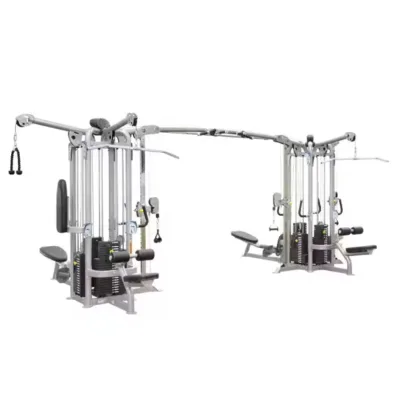
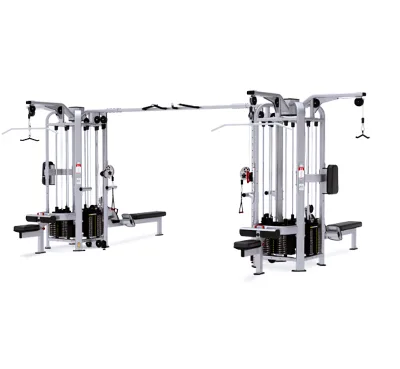
The physical dimensions of the equipment vary by model, with observed configurations including a compact unit measuring 1653mm in length, 1888mm in width, and 2268mm in height, alongside larger commercial units reaching 3900mm by 680mm by 2420mm. These dimensions dictate the floor space requirements for installation. The weight of the units is equally significant; observed weights range from 500kg to 658kg, indicating substantial mass that contributes to stability during use. A heavier unit generally offers better resistance to tipping or shifting during explosive movements, a key consideration for gymnasium and community center environments.
Cable systems are the functional heart of the jungle. The observed specifications highlight the use of 6mm strong steel cables and 7x19 wire rope constructions. The 7x19 configuration typically indicates a flexible yet durable strand arrangement suitable for frequent pulley engagement. The pulley systems themselves are noted to be constructed from a combination of nylon and aluminum, materials selected for their low friction and resistance to wear. The weight stack capacity observed in the market varies, with specific models supporting stacks of 275kg and 330kg. Buyers should confirm that the weight stack mechanism aligns with the intended user base, ensuring that the resistance levels are sufficient for advanced strength training while maintaining smooth operation.
Compliance, Certification, and Safety Standards
In the B2B fitness equipment sector, certification is not merely a formality but a prerequisite for liability management and market access. The observed product data indicates that compliant units carry CE and ISO certifications, specifically citing CE, ISO9001, and RoHS standards. The CE mark signifies conformity with health, safety, and environmental protection standards for products sold within the European Economic Area, while ISO9001 demonstrates that the manufacturer adheres to a quality management system. RoHS compliance ensures that the equipment is free from specific hazardous substances, which is increasingly important for international export markets.
Buyers must treat these certifications as verification points rather than assumptions. When evaluating a supplier, the documentation provided should explicitly list these standards. The "Commercial Standard" mentioned in product attributes suggests that the equipment is designed for high-traffic environments rather than light residential use. This distinction is vital for commercial gym operators who require equipment that can withstand daily use by hundreds of members. The absence of these certifications in a supplier's documentation should be treated as a significant red flag, potentially indicating non-compliance with international safety regulations.
Furthermore, the application of powder painting on the steel tubes is a standard finishing technique observed in the market. This process provides a durable, corrosion-resistant coating that is essential for equipment located in humid environments or areas with high sweat exposure. Buyers should verify that the painting process meets commercial durability standards to prevent rust and peeling over time, which can compromise both aesthetics and structural integrity.
Cost Drivers and Pricing Dynamics
The pricing of cable jungle systems is influenced by a complex interplay of material costs, manufacturing complexity, and logistical factors. The observed price range in the market spans from $1 to $4,066 USD, a wide variance that reflects differences in model size, weight stack capacity, and customization options. Lower-priced units typically correspond to smaller footprints or reduced weight stacks, while higher-priced models often feature larger dimensions, heavier steel construction, and more advanced cable systems.
Material costs are a primary driver, particularly the price of Q235 steel and the specific alloy compositions used for pulleys and weight stacks. The use of aluminum for weight pins and the combination of nylon and aluminum for pulleys add to the manufacturing cost but are necessary for performance. Customization availability is another factor; suppliers offering tailored solutions for specific gym layouts or branding requirements may command a premium.
Logistics also play a significant role in the total cost of ownership. The observed port of loading is Tianjin, and the origin is primarily China, specifically the Shandong province. Buyers must account for freight costs, which can fluctuate based on global shipping rates and container availability. The delivery time is noted as within 25 days after receiving the deposit, a standard lead time that buyers should incorporate into their project timelines. Packaging is typically done in plywood cases or boxes, which adds to the shipping volume and weight, further influencing freight charges.
Typical Applications and Usage Scenarios
Cable jungle systems are designed for versatility, making them suitable for a wide array of applications. The observed appliance categories include home gyms, commercial gymnasiums, parks, and community centers. This broad applicability stems from the equipment's ability to support multiple exercise parts, including chest and arm training, as well as general strength and physical training. The "Unisex" and "Adult" age group specifications confirm that these units are designed for general adult populations, without specific limitations for gender or age.
The training targets identified in the market data include strength training, physical training, and outward bound activities. This suggests that the equipment is not limited to bodybuilding but is also utilized for athletic conditioning and functional fitness. The usage categories extend to racing, entertainment, and training, indicating that cable jungles are often found in multi-purpose sports facilities and rehabilitation centers. The "Power" training project classification highlights the equipment's role in developing explosive strength and power, which is essential for athletes in various sports disciplines.
For commercial operators, the ability to accommodate multiple users simultaneously is a key advantage. The large footprint of the 3900mm models allows for multiple stations to be used at once, maximizing floor space efficiency. In community and park settings, the robust construction ensures that the equipment can withstand outdoor conditions, provided the powder coating and material quality meet the necessary durability standards.
Supplier Evaluation and Quality Control
Evaluating a supplier for cable jungle equipment requires a rigorous assessment of their manufacturing capabilities and quality control processes. The observed product attributes, such as the use of specific steel grades and cable constructions, serve as benchmarks for quality. Buyers should request detailed technical datasheets that confirm the use of Q235 steel, 7x19 cables, and the specific pulley materials. The consistency of these specifications across different batches is a strong indicator of a reliable supplier.
Quality control should extend beyond the initial inspection to include testing of the cable tension, pulley rotation, and weight stack movement. The observed weight pin material, aluminum, and the pulley composition suggest that the supplier prioritizes smooth operation and reduced friction. Buyers should verify that the supplier has a documented quality assurance process that aligns with ISO9001 standards. This includes regular testing of finished products to ensure they meet the specified weight and dimension tolerances.
The packaging method, observed as plywood packing or cases, is also a critical quality indicator. Proper packaging protects the equipment during transit, preventing damage to the powder coating and structural components. Buyers should inspect the packaging specifications to ensure that the equipment is secured against shifting and impact during shipping. The origin location, specifically Shandong, China, is a known manufacturing hub for fitness equipment, but buyers should still verify the specific factory's reputation and capacity to meet their order volumes.
Long-Term Procurement and Maintenance Considerations
Procuring cable jungle equipment is a long-term investment that requires careful consideration of maintenance and lifecycle costs. The observed delivery time of 25 days after deposit allows for planning, but buyers should also consider the lead time for spare parts. The use of standard components, such as 6mm steel cables and aluminum weight pins, suggests that replacement parts should be readily available. However, buyers should confirm the availability of spare parts from the supplier to avoid downtime in case of wear and tear.
The "Commercial Standard" designation implies that the equipment is built for longevity, but regular maintenance is essential to preserve this lifespan. The powder coating and steel construction require periodic inspection for signs of corrosion or wear, particularly in high-humidity environments. Buyers should establish a maintenance schedule that includes checking cable tension, lubricating pulleys, and inspecting the weight stack mechanism.
Export markets are global, and the supplier's ability to support international clients is crucial. The observed export market status indicates that the supplier is experienced in handling international logistics and compliance. Buyers should ensure that the supplier provides clear instructions for installation and maintenance in the local language, as well as access to technical support. The customization availability allows for future modifications or expansions, which can be valuable as the gym's needs evolve.
Summary of Key Procurement Criteria
To summarize, successful procurement of gym cable jungle equipment depends on a thorough understanding of technical specifications, compliance requirements, and supplier capabilities. The following table outlines the key attributes buyers should verify during the sourcing process.
| Attribute Category | Key Verification Points | Observed Market Standard |
|---|---|---|
| Material & Construction | Steel Grade, Tube Dimensions, Cable Type | Q235 Steel, 60x120mm Oval Tube, 7x19 Cable |
| Dimensions & Weight | Footprint, Total Weight, Stack Capacity | 1653-3900mm Length, 500-658kg Weight, 275-330kg Stack |
| Certifications | Safety and Quality Marks | CE, ISO9001, RoHS |
| Finishing | Coating Type, Durability | Powder Painting |
| Logistics | Origin, Port, Lead Time, Packaging | Shandong, Tianjin, 25 Days, Plywood Case |
| Application | Target Users, Usage Type | Commercial Gym, Home, Park, Strength Training |
By adhering to these criteria, buyers can ensure that their investment in cable jungle equipment meets the highest standards of safety, performance, and durability. The focus on verified facts and observed market data provides a solid foundation for making informed procurement decisions in the competitive fitness equipment market.
FAQs
What certifications do gym cable jungle units typically carry?
Compliant units carry CE, ISO9001, and RoHS certifications. These marks verify conformity with safety standards and quality management systems required for international export markets and commercial use.
Which steel tube specifications are standard for this equipment?
The frame typically uses Q235 grade steel tubes with dimensions of 60x120mm oval tubes. This specific gauge ensures structural rigidity to withstand dynamic loads during high-intensity training sessions.
How long is the delivery time after placing an order?
Delivery occurs within 25 days after receiving the deposit. This standard lead time allows for manufacturing and packaging in plywood cases before shipment from the port of loading.
Can buyers request customization for these gym cable jungle systems?
Yes, customization is available for specific gym layouts or branding requirements. Suppliers offer tailored solutions that may command a premium over standard commercial models to meet unique operational needs.
What is the typical weight range for commercial cable jungle units?
Observed unit weights range from 500kg to 658kg depending on the model. Heavier units provide greater stability during explosive movements and are suitable for high-traffic commercial gymnasium environments.
Where are these gym cable jungle products primarily manufactured?
Products originate from China, specifically the Shandong province. This region is a known manufacturing hub for fitness equipment, facilitating global export logistics through ports like Tianjin.